


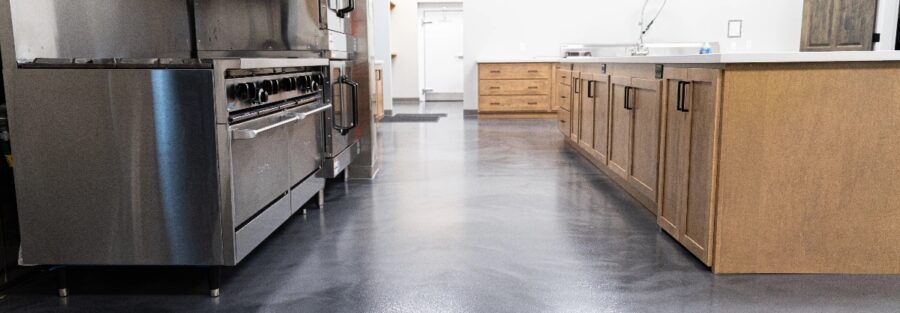
A kitchen is one of the most heavily used spaces in any home or commercial property. It handles daily foot traffic, spills, heat, moisture, and constant cleaning—all while needing to look clean and inviting. That’s why more homeowners and business owners are choosing an epoxy kitchen floor as a smart, long-term solution.
An epoxy kitchen floor is more than just a visual upgrade. It’s a practical investment that protects your surface from stains, scratches, and everyday wear while creating a seamless, modern appearance. At Epoxy Flooring Panama City, we specialize in professional kitchen epoxy flooring installation for both residential and commercial spaces. Our systems are designed to be durable, chemical-resistant, and visually appealing, ensuring your kitchen remains functional and beautiful for years to come.
Unlike traditional flooring materials that can absorb moisture or discolor over time, epoxy creates a non-porous, hygienic surface. This makes it especially ideal for kitchens where cleanliness, safety, and longevity matter. Whether you’re renovating your home kitchen, upgrading a rental property, or improving a commercial food-prep area, a custom epoxy kitchen floor delivers performance you can rely on.
Popular Types of Epoxy Kitchen Flooring
One of the greatest advantages of epoxy is versatility. There are multiple styles available, allowing you to choose the perfect balance between aesthetics, safety, and durability. Our decorative epoxy kitchen floors are designed to meet both functional and design expectations.
Solid Epoxy Flooring
Solid epoxy flooring is a popular choice for homeowners who prefer a clean, minimalist look. This system creates a smooth, seamless surface that resists stains, moisture, and abrasion. Because there are no grout lines or seams, it’s easy to maintain and naturally hygienic.
Many clients choose solid systems for residential epoxy floors because they provide a timeless appearance while offering excellent performance. From bright whites and soft neutrals to bold modern tones, solid epoxy offers flexible design options that complement any kitchen style.
Metallic Epoxy Flooring
Metallic epoxy flooring is ideal for homeowners who want their kitchen floor to make a statement. This system uses reflective pigments to create depth, movement, and a marbled effect that looks similar to polished stone or liquid metal. The result is a luxurious, high-end appearance that instantly elevates the space.
Metallic finishes are increasingly popular in modern homes, open-concept layouts, and designer kitchens. When applied through professional kitchen epoxy flooring installation, metallic epoxy delivers both stunning visuals and long-lasting durability. It’s a perfect option for those seeking truly unique decorative epoxy kitchen floors.
Flake Epoxy Flooring
Flake epoxy flooring incorporates decorative flakes into the surface, creating texture, visual depth, and improved traction. This option is especially practical for busy kitchens where safety is a concern. The flakes help hide minor imperfections and offer a more forgiving surface for everyday use.
Flake systems are commonly used in family homes, rental properties, and light commercial kitchens. They offer a balance between style and function while still maintaining the easy-care benefits of a professional epoxy kitchen floor.
Quartz-Filled Epoxy Flooring
Quartz-filled epoxy flooring combines epoxy resin with colored quartz granules to create a highly durable, slip-resistant surface. This system is ideal for high-traffic kitchens, especially commercial environments where spills and moisture are common.
Quartz systems are frequently used in restaurants, catering kitchens, and food-prep areas because they offer enhanced safety and long-term performance. For clients who need a slip-resistant epoxy flooring solution without sacrificing visual appeal, quartz-filled systems provide an excellent option.
Comparison Table – Epoxy Kitchen Flooring Options
|
Flooring Type |
Appearance |
Slip Resistance |
Durability |
Best For |
|
Solid Epoxy Flooring |
Smooth, clean, seamless |
Moderate |
High |
Modern residential kitchens |
|
Metallic Epoxy Flooring |
Glossy, marbled, luxury |
Moderate |
High |
Designer kitchens, statement floors |
|
Flake Epoxy Flooring |
Textured, decorative |
High |
Very High |
Family kitchens, multi-use spaces |
|
Quartz Epoxy Flooring |
Textured, premium |
Very High |
Extremely High |
Commercial and high-traffic kitchens |
This comparison helps homeowners and business owners choose the best custom epoxy kitchen floor based on performance needs and design preferences.
Benefits of Epoxy Kitchen Floors
One of the most compelling advantages of an epoxy kitchen floor is durability. Kitchens experience constant activity, from dropped utensils to heavy appliances. Epoxy forms a tough, impact-resistant surface that protects your subfloor from damage, extending the lifespan of your investment.
Stain and chemical resistance are equally important. Food spills, grease, wine, coffee, and cleaning products can permanently damage many traditional floors. With epoxy, these substances remain on the surface and can be wiped away easily. This makes kitchen epoxy flooring installation especially appealing for busy households and commercial environments.
Low maintenance is another standout benefit. Epoxy does not require special cleaners or ongoing treatments. Simple sweeping and occasional mopping are usually enough to keep the surface looking pristine. For homeowners who want beautiful floors without constant upkeep, residential epoxy floors provide a practical solution.
Customization sets epoxy apart from most other kitchen flooring options. From subtle tones to bold colors, from minimalist finishes to artistic metallic designs, decorative epoxy kitchen floors allow for nearly unlimited creativity. Whether you want a sleek, modern kitchen or a warm, inviting atmosphere, epoxy can be tailored to match your vision.
Safety can also be enhanced. Many epoxy systems include optional additives that improve traction, creating slip-resistant epoxy flooring that helps reduce the risk of accidents. This is particularly valuable in households with children or in commercial kitchens where spills are common.
Finally, epoxy floors can boost property value. A professionally installed custom epoxy kitchen floor creates a strong visual impact and communicates quality to potential buyers. It’s an upgrade that improves both function and aesthetics, making your kitchen more attractive and marketable.
Our Epoxy Kitchen Floor Installation Process
A successful epoxy floor depends on more than just materials. It requires a proven process that ensures durability and flawless results. Every kitchen epoxy flooring installation we complete follows a structured approach designed for performance and longevity.
We begin with consultation and design. During this phase, we assess your kitchen layout, usage, lighting, and style preferences. This allows us to recommend the most suitable epoxy system and color palette for your space. Whether you’re looking for understated elegance or bold decorative epoxy kitchen floors, the planning stage ensures your vision is clear from the start.
Surface preparation is the foundation of a long-lasting epoxy kitchen floor. We thoroughly clean the existing surface, repair imperfections, and mechanically prepare the substrate to promote proper adhesion. This step is critical because improper preparation is the most common cause of epoxy failure.
Next comes the application process. The base coat is applied evenly to create a smooth foundation. Decorative elements such as metallic pigments, flakes, or quartz are then added depending on the chosen system. Precision during this stage ensures consistency in both appearance and performance.
For clients choosing flake or quartz systems, broadcasting is done carefully to ensure even coverage. This step contributes to both the aesthetic appeal and the functionality of slip-resistant epoxy flooring.
A protective topcoat is then applied to seal the surface. This layer enhances gloss, chemical resistance, durability, and ease of maintenance. It’s what allows your custom epoxy kitchen floor to maintain its appearance even after years of daily use.
Finally, the floor is allowed to cure fully before a detailed inspection is completed. We ensure the surface meets our standards for quality, durability, and finish before the project is considered complete.
Why Choose Epoxy Flooring Panama City for Your Kitchen?
Not all epoxy installations deliver the same results. At Epoxy Flooring Panama City, we focus on craftsmanship, premium materials, and proven methods to ensure every project exceeds expectations.
Our experience with residential epoxy floors and commercial projects allows us to tailor each installation to its specific environment. We understand that kitchens have unique demands, including moisture exposure, cleaning requirements, and heavy use. That’s why our systems are engineered for both performance and aesthetics.
Clients choose us because we prioritize clear communication, detailed preparation, and long-term value. We don’t rely on shortcuts or low-quality products. Every kitchen epoxy flooring installation is approached with precision and attention to detail, ensuring your floor looks exceptional on day one and continues performing for years.
Whether you’re upgrading a home kitchen, remodeling a rental property, or improving a commercial kitchen space, our team delivers custom epoxy kitchen floor solutions that combine beauty, durability, and practicality.
Frequently Asked Questions (FAQs)
Is epoxy flooring good for a kitchen?
Yes, epoxy is an excellent option for kitchens. A professionally installed epoxy kitchen floor provides durability, moisture resistance, and easy maintenance. Unlike traditional flooring that can stain or absorb spills, epoxy creates a seamless, non-porous surface that protects your subfloor and supports hygiene. It’s especially well-suited for busy households and modern kitchens where performance and appearance both matter.
Is epoxy flooring good for a commercial kitchen?
Epoxy is widely used in commercial kitchens because of its durability, chemical resistance, and cleanliness. Many restaurants, bakeries, and food-prep facilities rely on slip-resistant epoxy flooring to improve safety and meet sanitation standards. Quartz-filled and textured epoxy systems are particularly effective in high-traffic environments where spills are common and safety is a priority.
What is the best flooring for an industrial kitchen?
For industrial or heavy-use kitchens, epoxy and similar resin-based systems are often considered the best options. They offer superior durability, resistance to chemicals and moisture, and easy cleaning. High-performance systems such as quartz epoxy are commonly used in food production environments where hygiene, safety, and longevity are critical.
What are the disadvantages of epoxy flooring?
Epoxy flooring requires professional installation to achieve the best results. Poor surface preparation or improper application can lead to peeling or uneven finishes. Epoxy can also feel harder underfoot compared to softer flooring materials. However, when installed correctly, the benefits of an epoxy kitchen floor—including durability, low maintenance, and design flexibility—far outweigh the potential drawbacks.
Can mold grow under epoxy?
When properly installed, epoxy actually helps prevent mold growth. A high-quality kitchen epoxy flooring installation creates a seamless, non-porous barrier that prevents moisture from penetrating the surface. Because mold thrives in damp, porous environments, epoxy reduces the conditions that allow mold to develop, making it a hygienic choice for kitchens.