


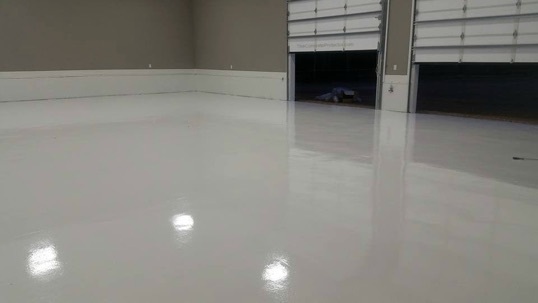
More homeowners and businesses are discovering the lasting value of epoxy flooring. Known for its strength, versatility, and modern style, it has become a leading option for upgrading concrete surfaces. A concrete epoxy floor is not only a cost-effective solution but also a design-forward choice that combines durability with elegance. In this guide, you will find a full breakdown of cost, benefits, installation, and maintenance tips to help determine if epoxy flooring is the right fit for your space.
Understanding Concrete Epoxy Floors
A concrete epoxy floor is created by applying a two-part system of resin and hardener directly over concrete. The chemical reaction forms a rigid plastic surface that bonds tightly to the slab beneath. Unlike standard cement floor paint, which sits on the surface, epoxy forms a protective coating that significantly enhances strength and longevity. Beyond protection, epoxy flooring can be customized with finishes such as metallic swirls, decorative flakes, or marble-inspired designs for a polished and upscale appearance.
When It’s the Right Choice
Concrete epoxy floors are ideal for environments that demand durability and resilience. Garages, basements, and workshops benefit from a coating that withstands vehicle weight, spills, and abrasions. Epoxy flooring garage projects are especially popular because they enhance durability and elevate appearance.
In commercial and industrial settings, epoxy excels in handling heavy machinery, foot traffic, and exposure to chemicals. For homeowners, epoxy brings an added advantage—it elevates the look of a space while maintaining robust performance. Whether for practical needs or aesthetic upgrades, epoxy is a versatile flooring solution.
Key Benefits of Epoxy Flooring
Epoxy flooring stands out because it combines practicality with style. Beyond being a protective surface, it provides long-term value through its resilience, ease of care, and wide variety of design choices. This section outlines the main reasons why epoxy is chosen over other flooring options.
Durability
Epoxy flooring provides long-term protection against cracks, stains, and chemical damage. With proper installation, it can extend the life of the underlying concrete slab by decades.
Low Maintenance
Unlike porous concrete that traps dirt, epoxy creates a smooth surface that is easy to clean with basic sweeping or mopping. Maintenance is minimal, even in high-traffic areas.
Customization
From sleek solid colors to luxury marble epoxy floor finishes, epoxy offers limitless design potential. Decorative flakes and metallic pigments can be added to achieve a one-of-a-kind look.
Safety
Slip-resistant additives can be incorporated into the coating, reducing risks in garages and workshops. Additionally, epoxy’s reflective surface brightens interiors by enhancing lighting.
Cost Efficiency
Although the upfront investment may be higher than paint, epoxy significantly extends the lifespan of concrete, reducing the need for frequent resurfacing or replacement.
Installation Process
The installation of an epoxy floor is a carefully planned process that ensures long-term durability and a flawless finish. Proper preparation and layering are essential to achieve a surface that resists wear, enhances safety, and delivers visual appeal.
Surface Preparation
The concrete must be cleaned, repaired, and ground to create a porous surface that allows the epoxy to bond properly.
Primer Application
A primer ensures strong adhesion between the epoxy and the slab. It also acts as a base layer that improves the bonding of subsequent coats.
Epoxy Coating
Multiple layers of epoxy are applied to build strength and durability. Each coat contributes to creating a resilient and uniform finish.
Design Layer (Optional)
Metallic pigments or marble-like swirls can be added for a decorative finish. This layer enhances aesthetics and allows for complete customization.
Topcoat
A clear protective topcoat seals the surface, providing resistance against wear and chemicals. It also adds a glossy sheen that enhances the overall appearance.
Installation Timeline
Depending on the project size and design complexity, installation typically takes 2–5 days. Larger projects or intricate designs may extend this timeframe slightly.
Cost Breakdown
The cost of epoxy flooring varies depending on factors such as square footage, design, and number of coats.
- For homeowners wondering how much to epoxy garage floor, the average cost for a standard two-car garage ranges from $1,500 to $3,000.
- On a per-square-foot basis, epoxy flooring generally costs $4–$12, depending on customization and coating thickness.
- By contrast, cement floor paint costs only $1–$2 per square foot, but lasts just a few years before peeling or wearing away.
Investing in epoxy ensures a longer-lasting, higher-performing surface that outperforms paint in durability, design, and return on investment.
Maintenance Tips
Keeping an epoxy floor in top condition requires simple but consistent care:
- Sweep or vacuum regularly to prevent grit from scratching the surface. Doing this also helps maintain the floor’s glossy finish.
- Clean up spills promptly to avoid staining. Quick action prevents long-term discoloration and keeps the floor looking fresh.
- Use pH-neutral cleaning solutions for mopping. This ensures the protective coating is not damaged by harsh chemicals.
- Reseal or apply a fresh topcoat every 5–7 years to maintain protection and shine. Regular recoating keeps the surface resilient against daily wear.
Who Benefits Most
Homeowners
Garages, basements, and patios can be transformed into durable and visually appealing spaces with epoxy. These areas benefit from both improved functionality and enhanced property value.
Businesses
Retail spaces, restaurants, and showrooms benefit from epoxy’s professional appearance and ease of maintenance.
Industrial Clients
Warehouses, factories, and workshops rely on epoxy for its ability to withstand heavy loads, machinery, and chemicals.
Flooring Comparison at a Glance
|
Flooring Type |
Cost (per sq. ft.) |
Durability |
Aesthetics |
Install Time |
Best For |
|
Concrete Epoxy Floor |
$4–$12 |
15+ years |
High – customizable (incl. marble finish) |
2–5 days |
Garages, homes, businesses |
|
Cement Floor Paint |
$1–$2 |
1–3 years |
Low – basic colors only |
1 day |
Low-budget quick fixes |
|
Marble Epoxy Floor |
$8–$15 |
15+ years |
Luxury, high-gloss finish |
3–5 days |
Showrooms, upscale garages |
Transform Your Space Today
A concrete epoxy floor offers both durability and design flexibility, making it a smart long-term investment for homeowners, businesses, and industrial facilities. Contact Epoxy Flooring Panama City today for a free consultation and discover how epoxy can transform your space into a surface built to last.
Frequently Asked Questions
How long does a concrete epoxy floor last?
With proper installation and maintenance, epoxy floors can last 15 years or more. Many floors continue performing well beyond this with regular care.
Is epoxy flooring better than cement floor paint?
Yes, epoxy offers superior durability, longevity, and aesthetics compared to paint. It also resists wear and tear more effectively in high-traffic environments.
How much does it cost to epoxy a garage floor in Panama City?
A standard two-car garage typically costs between $1,500 and $3,000, depending on size and finish. Custom designs or larger areas may increase the total price.
Can epoxy floors be customized with designs like a marble epoxy floor?
Yes, epoxy can be customized with metallic pigments and marble-style finishes for a high-end look. These options allow homeowners and businesses to create unique, stylish flooring.
Is epoxy suitable for heavy-duty industrial flooring?
Absolutely. Epoxy is widely used in factories, warehouses, and other industrial environments due to its strength and chemical resistance.