


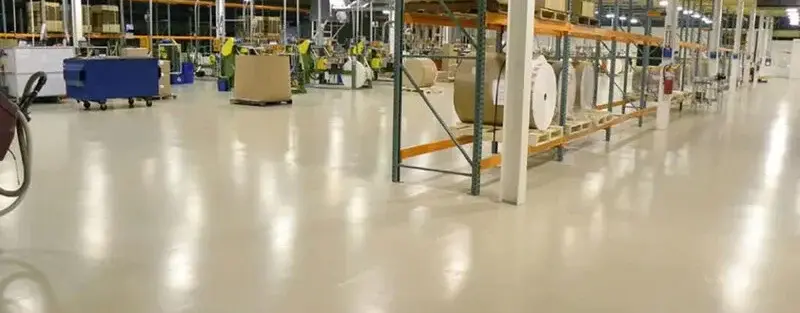
In the world of industrial operations, floors carry more than just the weight of machinery and foot traffic—they carry the momentum of the entire business. Every warehouse, plant, or facility runs on precision, speed, and safety. And when the foundation falters, everything above it risks falling out of sync. That’s why industrial epoxy flooring is not just a trend—it’s an essential upgrade for any busy, high-demand workspace.
From preventing chemical damage to minimizing maintenance downtime, epoxy floors serve as the invisible backbone of well-run environments. These floors don’t just endure—they enhance. They’re engineered for the heavy loads, the harsh spills, and the relentless movement that define modern industrial life.
Why Epoxy Industrial Flooring Is Ideal for Demanding Environments
Industrial spaces aren’t gentle. Forklifts scrape, containers drag, chemicals spill, and foot traffic never seems to slow. And through it all, your flooring needs to perform—day after day, year after year.
1. Extreme Durability in Action
Epoxy industrial flooring transforms ordinary concrete into an ultra-tough, abrasion-resistant surface. Once cured, the epoxy forms a seamless, chemically hardened shell that can absorb impact, resist wear, and withstand rolling loads without cracking or delaminating.
- Withstands the weight of forklifts, cranes, and rolling carts
- Resists damage from dropped tools, pallet corners, or mechanical parts
- Maintains structural integrity under sustained pressure
No warping. No peeling. Just consistent performance under extreme stress.
2. Resistance to Chemicals and Contaminants
In industries like automotive, manufacturing, chemical processing, or pharmaceuticals, exposure to corrosive agents is common. Industrial epoxy resin flooring provides a critical barrier between your operations and your concrete slab, preventing degradation, staining, and seepage.
- Resists oils, acids, solvents, and alkaline substances
- Protects concrete from long-term corrosion
- Non-porous finish eliminates absorption of hazardous materials
With proper coatings, even battery acid or hydraulic fluid becomes a non-issue.
3. Improved Workplace Safety
A well-designed epoxy floor does more than resist wear—it reduces risk.
Industrial flooring epoxy coating can be formulated with:
- Anti-slip additives for wet or oily areas
- High-visibility striping for pedestrian lanes or hazard zones
- Color coding for designated zones, storage areas, or traffic flow
In fast-paced environments where every second and step counts, these small upgrades can prevent costly accidents and improve workflow.
4. Hygienic and Easy to Maintain
One of epoxy’s most overlooked strengths is how easy it is to clean and maintain.
- Seamless surface = no cracks or grout lines for dirt and bacteria to hide
- Resists dust, moisture, and mold growth
- Simple daily sweeping and mopping keeps it looking pristine
This is especially vital for food processing, cleanrooms, and pharmaceutical manufacturing, where sanitation is mandatory.
Common Applications for Industrial Epoxy Flooring
Epoxy flooring industrial systems are as versatile as they are strong. They adapt to diverse industries and facility layouts—each one requiring tailored solutions for performance and compliance.
1. Warehouses and Distribution Centers
- Forklift and vehicle movement
- Staging zones, pallet racks, and packing areas
- High-visibility striping for safety lanes
2. Automotive and Aerospace Facilities
- Resistant to oil, brake fluid, and fuel spills
- Anti-slip surfaces for mechanic safety
- Custom colors to reflect branding or layout
3. Food and Beverage Plants
- USDA- and FDA-compliant options
- Moisture-proof, sanitary surfaces
- Thermal shock-resistant formulas for cold rooms
4. Pharmaceutical and Medical Labs
- Seamless finishes for infection control
- Antimicrobial and anti-static options
- Easy maintenance for sterile conditions
5. Chemical Manufacturing
- Acid-resistant epoxy systems
- Durable under extreme temperature fluctuations
- Fire-retardant coatings available upon request
6. Industrial Basements and Storage Rooms
- Moisture control to prevent seepage
- Smooth surface makes for easy mobility
- Helps manage humidity in underground areas
No matter your industry, industrial epoxy flooring contractors can tailor a solution that protects, performs, and complies with your operational requirements.
The Installation Process: What to Expect
Unlike decorative residential jobs, epoxy industrial flooring installations demand advanced preparation and precision. The process is meticulous—and for good reason. A poorly installed floor can crack, peel, or fail under stress, leading to costly downtime.
Step-by-Step Overview:
- Assessment and Planning
Professionals assess substrate conditions, usage requirements, and desired finish. - Surface Preparation
Shot blasting or diamond grinding removes dirt, sealants, and old coatings. This ensures the epoxy bonds directly to clean concrete. - Repair Work
Cracks, joints, and surface defects are patched to prevent delamination or uneven coating. - Priming
A primer coat penetrates and seals the concrete, creating a bonding layer for the epoxy. - Epoxy Application
Multiple coats are applied—sometimes with broadcasted quartz or aggregate for texture and grip. - Topcoat (Optional)
A polyurethane or polyaspartic topcoat adds UV protection, color stability, and long-term durability.
Depending on square footage and the complexity of the system, installation may take 2–5 days. Some industrial epoxy flooring contractors also offer fast-curing systems that minimize production interruptions.
Importance of the Article
Every square foot of an industrial floor supports millions of pounds of product, people, and purpose over its lifetime. And yet, flooring is often one of the last considerations during upgrades or new builds. This article aims to correct that by spotlighting the true value of industrial epoxy flooring.
It’s not just about aesthetics—it’s about reducing accidents, minimizing maintenance, resisting chemical attack, and ensuring your space operates efficiently.
If you’re responsible for an industrial facility’s safety, hygiene, or long-term cost savings, this article provides the insight needed to make an informed, future-focused choice.
Conclusion
Your flooring shouldn’t be the weak link in your operation. It should be a silent partner—strong, reliable, and built to keep up with your pace.
With industrial epoxy flooring, you gain more than a coating. You gain resilience. You gain cleanliness. You gain peace of mind.
Whether you manage a busy warehouse, a cleanroom, or a manufacturing plant, epoxy delivers a no-compromise solution. Long-lasting. Low maintenance. High performance. And always tailored to your space.
Let your floors work as hard as your people do.
5 Frequently Asked Questions
1. How long does industrial epoxy flooring last in heavy-use environments?
Typically 10 to 20 years, depending on traffic volume, type of machinery, and maintenance.
2. Can epoxy flooring be installed over old or damaged concrete?
Yes, but surface preparation and repairs are essential. The concrete must be cleaned, leveled, and structurally sound for best results.
3. Is epoxy safe for food or pharmaceutical environments?
Absolutely. Specific industrial epoxy resin flooring systems are FDA- and USDA-compliant and offer antimicrobial protection.
4. What’s the difference between epoxy and polyurethane coatings?
Epoxy is harder and more durable under pressure, while polyurethane is more flexible and UV-resistant. Some systems use both for maximum performance.
5. How do I choose the right industrial epoxy flooring contractor?
Look for contractors with industrial experience, references in your industry, and knowledge of regulatory requirements. Always ask about warranties and maintenance support.
Call to Action
Tired of patching cracks and repainting lines? Want a floor that actually improves your operation? At Epoxy Flooring Panama City, we specialize in epoxy flooring industrial solutions designed for real-world demands.Schedule a free site assessment today and discover how the right floor can support, protect, and enhance every square foot of your space.