


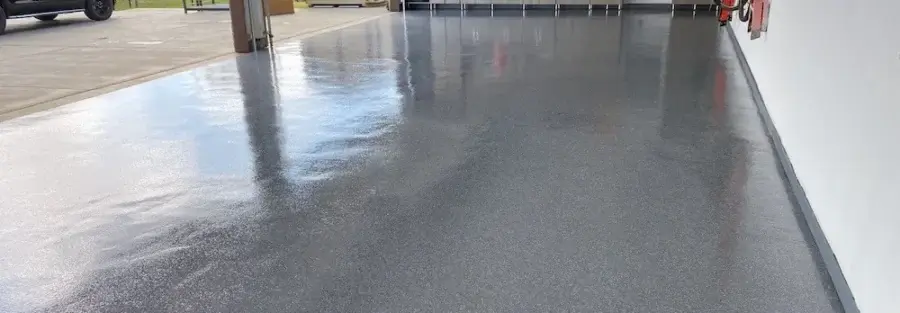
In most homes, the garage is more than just a place to park cars. It’s a workspace, a storage zone, sometimes even a gym or hobby shop. But while we invest in renovating kitchens or upgrading bathrooms, the garage floor—often cracked, stained, and dusty—gets left behind.
That’s where epoxy flooring comes in. It promises a fresh start: durable, easy to clean, sleek, and protective. But then the reality check hits—epoxy garage floor cost can seem steep. And it begs the question: is it really worth it?
The short answer? Absolutely—but only if you understand where that cost comes from, what benefits it delivers, and how to make the most of your investment. Let’s break it down.
What Goes Into Epoxy Garage Floor Cost?
When people ask, “how much does it cost to epoxy a garage floor?”, they’re usually hoping for a simple number. But the truth is, several variables come into play. From product quality to labor to finish type, epoxy garage floor pricing is more layered than it seems.
1. Garage Size and Square Footage
Epoxy flooring is generally priced per square foot. A standard two-car garage ranges from 400–500 square feet. The cost to epoxy garage floor depends heavily on this measurement.
- DIY kits: $1.50–$3.00 per sq. ft.
- Professional installations: $4.00–$12.00 per sq. ft.
That means your final total can fall anywhere between $600 and $6,000 depending on whether you do it yourself or hire a contractor.
2. Type of Epoxy and Finish
Different epoxy products yield different results—and different costs:
- Water-based epoxy: Inexpensive and easy to apply, but less durable (great for DIY).
- Solvent-based epoxy: Stronger, more chemical resistant, but requires ventilation.
- 100% solids epoxy: The toughest, thickest, and longest-lasting option—ideal for high-traffic garages, but more expensive.
If you want a premium finish with added texture or sparkle (like metallic swirls or decorative chips), expect to pay on the higher end of the spectrum.
3. Concrete Condition and Prep Work
If your garage floor is already in great condition, congratulations—you’ll save money. But if it’s riddled with cracks, stains, or uneven spots, those need to be fixed before epoxy can be applied.
Typical prep costs include:
- Crack and patch repair: $1–$3 per sq. ft.
- Moisture barrier (if needed): $0.50–$1 per sq. ft.
- Mechanical grinding/etching: Often included in professional labor rates
Proper prep is vital. Skipping this step can result in peeling, bubbling, or even complete coating failure within months.
4. Labor and Installation
DIY epoxy kits are tempting. But they often require several days of hard labor, attention to detail, and specific conditions to work properly. Even then, results can be mixed.
Professional installers come equipped with industrial-grade tools, ventilation systems, and years of expertise. Their price includes not just the materials, but peace of mind. The finish is smoother, the lifespan longer, and the job completed in a fraction of the time.
How Much to Epoxy a Garage Floor? Real Cost Estimates
Here’s a rough breakdown of average costs for a 2-car garage (400–500 sq. ft.):
| Option | Estimated Cost | Lifespan | Best For |
| DIY Epoxy Paint Kit | $200–$500 | 1–3 years | Budget-conscious upgrades |
| Pro Basic Coating | $1,500–$2,500 | 7–10 years | Long-term performance |
| Pro Decorative Coating | $3,000–$6,000 | 10–20 years | Premium aesthetics + function |
The more complex the design, the higher the price. But higher upfront investment often translates into longer-lasting results and fewer future repairs.
What Do You Get for the Price?
Now let’s talk value. Is the cost of garage floor epoxy just about appearance? Not at all. In fact, the benefits reach far beyond what the eye can see.
1. Durability That Pays for Itself
Epoxy creates a dense, non-porous seal over concrete. It shrugs off oil, brake fluid, gasoline, road salt, and moisture. That means fewer stains, fewer cracks, and less degradation over time.
A well-installed epoxy floor can last 10 to 20 years with minimal upkeep.
2. Easy Maintenance
No more endless sweeping or power-washing. Epoxy floors require little more than a mop and mild cleaner. Dirt can’t cling to the smooth surface, and spills wipe up in seconds.
That translates to time savings, lower cleaning costs, and a consistently cleaner garage.
3. Improved Safety and Visibility
Glossy epoxy finishes reflect light, brightening up your garage without extra fixtures. Add non-slip additives or textured chips, and you boost traction even when the floor is wet.
Safety and style, all in one.
4. Aesthetic Transformation
From subtle gray flake blends to dramatic black metallic swirls, epoxy garage floor colors allow for real customization. Your garage becomes a true extension of your home—stylish, welcoming, and well-kept.
This can even increase property value and appeal to potential buyers.
Importance of the Article
Garage upgrades often fall at the bottom of the priority list. But when concrete begins to wear, crack, or crumble, ignoring it only leads to higher costs down the road. This article aims to answer the question “Is epoxy garage floor cost worth it?” by pulling back the curtain on what you’re really paying for.
It’s not just the resin. It’s the protection, the polish, the long-term performance. For homeowners who want more than a bare concrete slab, understanding the cost to epoxy garage floor is the first step in making a sound, lasting investment.
Conclusion
Epoxy flooring is more than just a cosmetic upgrade—it’s a strategic improvement. Yes, the epoxy garage floor cost might seem high at first glance. But stack it up against the decades of durability, ease of maintenance, and aesthetic enhancement it delivers, and the numbers start to make sense.
If your garage is more than just a storage shed—if it’s a workshop, a showplace, or simply a place you use every day—then epoxy flooring is an investment worth making. And when done right, it pays off in both form and function.
5 Frequently Asked Questions
1. How long before I can walk or park on my epoxy garage floor?
You can usually walk on it after 24 hours, but it’s best to wait 3–5 days before parking vehicles to allow full curing.
2. What’s the difference between epoxy paint and true epoxy coatings?
Epoxy paint contains minimal resin and offers limited durability. Industrial-grade epoxy coatings are thicker, stronger, and long-lasting.
3. Will epoxy crack over time?
Epoxy itself resists cracking. However, if the concrete underneath shifts or cracks, it can affect the coating. Proper prep and control joints reduce this risk.
4. Can epoxy be applied to old or stained concrete?
Yes, but proper surface prep is essential. Grinding or etching is often required, especially on previously painted or heavily stained surfaces.
5. Do epoxy floors need maintenance?
Very little. Occasional mopping with a mild detergent and reapplication of a topcoat every few years (optional) will keep it looking great.
Call to Action
Thinking about transforming your garage with epoxy flooring? Whether you’re aiming for a subtle refresh or a high-gloss, high-performance floor, the team at Epoxy Flooring Panama City has the experience and materials to get it done right.Contact us today for a free quote—and discover how epoxy can turn your garage into one of the best-looking (and hardest-working) spaces in your home.